
When the Past Won’t Let Go: Mindfulness Meditation Therapy After Hard Experiences
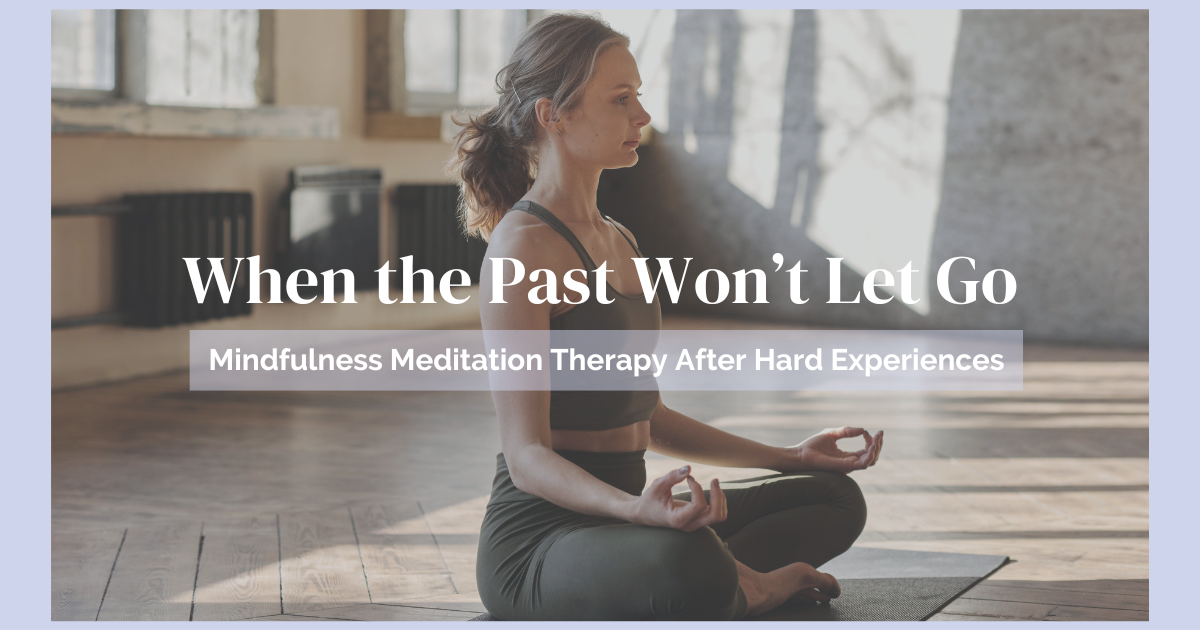
There are some experiences that change the way your body and mind move through the world. Accidents. Illness. Loss. Violence. Childhood situations where you had to stay small or hypervigilant just to get through.
Even if you rarely talk about these events, your nervous system remembers.
You might find that:
· You startle easily or always scan the room for exits.
· Certain sounds, smells, or places bring a rush of panic or numbness.
· You avoid situations that seem normal to others.
· You feel “on guard” even when nothing bad is happening.
· Your sleep is restless, or you wake from vivid dreams.
If any of this feels familiar, please know: your reactions make sense. They are your body’s way of trying to keep you safe. Mindfulness meditation therapy can’t erase the past, but it can help your system learn that the present is different and the future can be too.
A gentle, trauma-aware approach
At Charlotte Meditation, our 8-week one-on-one meditation therapy program is trauma-aware. That means we move slowly, listen carefully, and never force you into practices that feel overwhelming.
We’re not here to analyze or relive your story. We’re here to help your nervous system experience small, real moments of safety and calm and to help you grow that feeling.
We do this through four main tools:
1. Breathing that doesn’t push too hard
For someone with a history of trauma, certain kinds of deep breathing can feel unsafe. We explore gentle breaths that feel tolerable for you—sometimes even starting with simply noticing your natural breath without trying to change it. Over time, we might experiment with slightly longer exhales, which can help dial down the alarm system in your body.
2. Mindful awareness in small doses
Instead of asking you to sit with your eyes closed for long stretches, we might begin with short, eyes open practices: feeling your feet on the floor, noticing contact with the chair, or lightly tracking sounds in the room. The goal is to build your capacity to stay present without becoming overwhelmed.
3. Food and daily rhythms that support grounding
When your nervous system has been through a lot, skipping meals, overusing caffeine, or staying up late can make everything feel harder. Together, we look at your daily rhythms and explore how to intuit what your body needs most. Understanding your specific constitution will help you make the small changes that help you feel more anchored.
4. New ways of thinking about yourself
Trauma often leaves behind painful beliefs: “It was my fault,” “I’m weak,” “I’m not safe anywhere,” “I’m too much,” or “I’m not enough.” In meditation therapy, we gently question these thoughts and explore more truthful narratives. You learn to notice when an old belief has been activated and to speak to yourself with the compassion you deserved all along.
What safety can look like in session
Feeling safe is not a checklist—it’s a felt sense in your body that you can breathe and be as you are. In sessions, you’ll always have permission to:
· Say “no” or “not yet” to any practice.
· Keep your eyes open if closing them feels uncomfortable.
· Take breaks or move your body if you start to feel overwhelmed.
· Talk more on some days and meditate more on others.
You are in charge of your pace. Our job is to offer options and walk beside you.
Small changes that matter
Over time, people who have experienced trauma often notice subtle but powerful shifts:
· The world feels slightly less dangerous all the time.
· They can ride out a trigger with more tools and less unpleasantness.
· They experience moments of genuine calm.
· They feel more connected to their own body and less at war with it.
These changes don’t mean the past is forgotten. They mean that your whole being is slowly learning that the present can be different.
You deserve peace after what you’ve lived through
If you’re in Charlotte and feel like the past won’t let go of you, mindfulness meditation therapy may be a gentle next step. You don’t have to leap into deep processing or tell your whole story at once. You can start with one conversation and a few breaths.
You’re invited to book a consult to learn more about our 8-week one-on-one meditation therapy program. Together, we can explore how to support your nervous system so that you can move through your life with more ease, dignity, and peace—no matter what you’ve lived through.
